What Is Blooming Tea? A Friendly Guide to Taste, Style, and Brewing
Blooming tea doesn’t look like much before it hits the water.
Most blooming teas start as a small bundle of dried tea leaves wrapped around one or more flowers.
Add hot water, and the bundle slowly opens as the leaves spread out and the flowers appear.
It’s also called flowering tea, and watching it open is part of the appeal.
But there’s more to blooming tea than the display. Here’s what’s inside, what it tastes like, and what you need to know before brewing one.
What Is Blooming Tea?
Blooming tea is made by arranging tea leaves around dried flowers and securing them together in a compact bundle.
Flowers used can include jasmine, lily, chrysanthemum, globe amaranth, and marigold. The exact combination depends on the tea.
The bundles are shaped and dried so they stay closed until they’re placed in hot water. As the leaves loosen, the flower arrangement inside is revealed.
Despite the name, blooming tea isn’t its own type of tea like green, black, white, or oolong. It’s a style of tea made by combining tea leaves with flowers.
What Does It Taste Like?
There isn’t one flavor that describes every blooming tea.
The tea leaves used in the bundle play a big part in how the finished cup tastes.
Many blooming teas use green or white tea, so you may find lighter, more delicate flavors.
The flowers can add aroma and floral notes, but that doesn’t mean the tea will taste strongly of flowers.
If you’re choosing between different blooming teas, check the ingredient list.
It’ll give you a much better idea of what to expect than the appearance of the finished bloom.
How to Brew Blooming Tea
The package directions are the best place to start because blooming teas aren’t all made with the same type of tea.
Beyond that, you only need a few basics.
Use a Clear Teapot or Glass
A roomy, heat-safe glass teapot works especially well because you can watch the bundle open.
It also gives the leaves enough space to spread out instead of being crowded into a small mug.
Check the Water Temperature
Don’t assume every blooming tea should be dropped into boiling water.
A bundle made with green tea may call for cooler water than one made with another type of tea.
Check the brewing instructions that came with the tea and use those as your guide.
If you’re not sure why water temperature matters, the Tea Steeping Times & Temperatures guide goes into more detail about brewing different tea types.
Give It Time to Open
Place the bundle in your teapot or glass, add the hot water, and let it steep.
Around five minutes is common for some blooming teas, but the directions on your package should come first.
You’ll be able to watch the leaves loosen as the flowers begin to appear.
You don’t need to leave the tea sitting in the water long after it has finished brewing just to get a more dramatic bloom.
At some point, you’re simply continuing to steep the tea leaves.
Can You Steep It Again?
Many blooming teas can be steeped more than once.
Two or three infusions may be possible depending on the bundle and how long you brewed it the first time.
The flavor will usually become lighter with each infusion, and later steeps may need a little more time.
Again, check the package. Some producers give specific instructions for brewing the same bloom a second or third time.
Does Blooming Tea Have Caffeine?
Blooming tea can contain caffeine.
If the bundle contains tea leaves from the Camellia sinensis plant, such as green, white, black, or oolong tea, those leaves naturally contain caffeine.
The flowers don’t make the drink caffeine-free.
This is worth checking because blooming tea can easily look like an herbal tea once the flowers open. If you’re avoiding caffeine, read the ingredients before brewing.
What to Check Before Buying
Start with the ingredients. See what kind of tea is used and which flowers are included.
Then look for brewing instructions. A good package should give you guidance on water temperature and steeping time.
If you’re buying blooming tea mostly for the visual effect, think about what you’ll brew it in too. A clear glass teapot gives the bundle room to open and lets you actually see the flower.
That makes clear teaware a natural pairing if you’re giving blooming tea as a gift, too.
Blooming tea can look elaborate, but it’s surprisingly simple once you know what you’re working with.
Check the ingredients, follow the brewing directions, and give the bundle enough space to open.
Then let the tea do the interesting part.
Sources
Read This Next...
Blooming tea needs space to fully open, which makes the teapot part of the experience. Tea Pot for Two: How to Choose the Right Size Without Guessing covers what to consider when choosing one, including size, material, and how you like to brew.
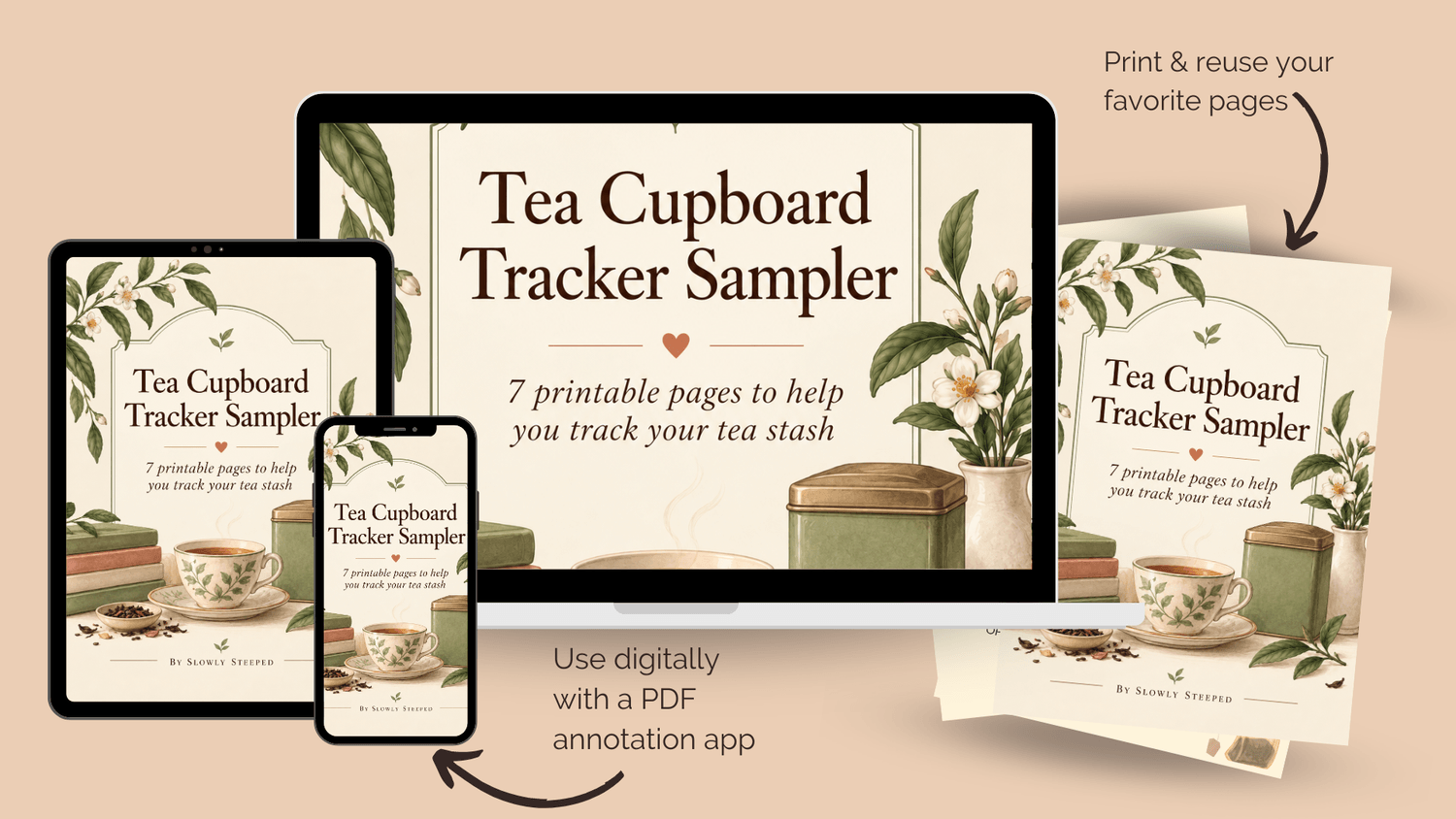
Get Your Tea Cupboard Organized for Free
Download the free 7-page Tea Cupboard Tracker Sampler to take stock of the tea you own, see what’s already open, and decide what you want to finish next.
Tea guides, curious facts, everyday rituals, and thoughtful finds for people who simply enjoy a good cup.


Get Your Tea Cupboard Organized for Free
Download the free 7-page Tea Cupboard Tracker Sampler to take stock of the tea you own, see what’s already open, and decide what you want to finish next.
Created with ©systeme.io