What Is High Tea? It’s Not Quite What Most People Think
Say high tea and a very specific picture probably comes to mind: delicate sandwiches, tiny pastries, pretty china, maybe a tiered stand and a pot of tea in a fancy hotel lounge.
Historically, though, that picture is much closer to afternoon tea.
Traditional high tea was a more substantial meal, usually eaten in the late afternoon or early evening.
It was associated particularly with working families who were ready for a proper meal after the workday ended, not an elegant snack before dinner.
That makes the name a little misleading to modern ears. The word high didn’t originally mean more luxurious or more formal.
High Tea Was a Meal
One of the easiest ways to understand high tea is to think of it as an early evening meal served with tea.
During the 19th century, Britain’s growing industrial workforce often spent long days away from home in factories, mines, and other workplaces.
By the time workers returned home, they were ready for something much more substantial than sandwiches and cake.
High tea became that filling end-of-day meal. It could include bread, cheese, meat, pies, or other cooked foods, with a pot of strong tea served alongside it. According to the UK Tea & Infusions Association, it became the main evening meal for many working families.
The older meaning hasn’t completely disappeared, either. Merriam-Webster still defines high tea as a substantial late afternoon or early evening meal served with tea and dates the first known use of the term to 1831.
What Was Served?
There wasn’t one official high tea menu that every household followed.
The meal needed to be filling, so savory food played a much bigger role than it does in the modern hotel style tea service many people picture today.
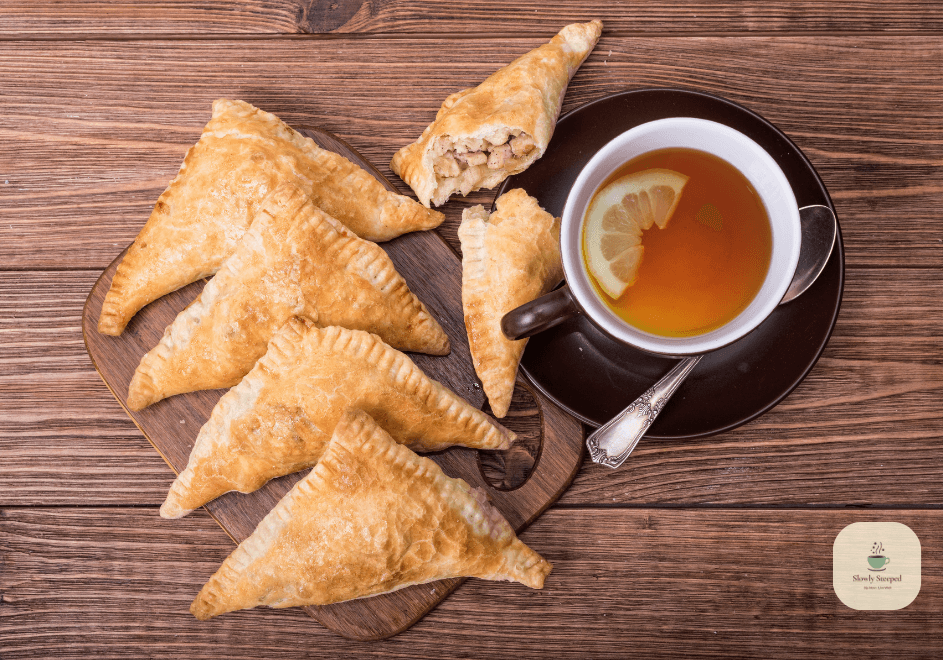
A historically inspired spread might include:
a meat pie, cooked fish, eggs or another substantial savory dish
bread and butter
cheese
cold meats or another simple protein
cake or another baked item
a pot of tea
It was closer to supper than a special occasion dessert service.
What people served depended on where they lived and what they could afford.
Why the Name?
One possible explanation for the name comes from where people ate. High tea was served at a dining table, while afternoon tea was enjoyed in low chairs or on sofas.
High Tea vs. Afternoon Tea
Afternoon tea developed as a lighter meal, generally taken around 4 or 5 in the afternoon to bridge the gap between lunch and a later dinner.
That tradition became associated with lighter foods, social visits and the upper and middle classes. The National Trust contrasts that with the heartier working-family meal of high tea.
So if you're picturing finger sandwiches, scones, small cakes and a pot of tea served as an afternoon occasion, afternoon tea is usually the more historically accurate name.
Why Meanings Vary
Across Britain, the word tea could describe several different meals and gatherings depending on the household, region, and social setting.
Victorian families might have a simple family tea, a more social afternoon gathering, or a heartier meal later in the day. Those traditions could overlap, which is one reason the terminology isn’t always perfectly consistent.
Even today, tea can mean an evening meal in some parts of Britain.
So while the traditional distinction between high tea and afternoon tea is useful, it’s better to think of it as a general guide rather than a strict set of rules everyone followed.
High Tea Today
Today, some hotels and tearooms use high tea to describe an afternoon tea service, especially outside Britain. That means the name on a menu may differ from the historical meaning explained here.
So if you see “high tea” on a hotel menu, the name alone won’t tell you much. The menu will. If you’re getting finger sandwiches, scones, and pastries in the afternoon, you’re probably looking at a modern afternoon-tea-style experience under the name high tea.
High Tea at Home
This doesn't need to become a historical reenactment.
Start with the part that makes traditional high tea different: make it a meal.
Serve it toward the end of the afternoon or early evening at your regular dining table.
Choose one satisfying savory dish, add something simple such as bread or cheese, include a baked treat if you'd like, and put a pot of tea on the table.
A tiered stand isn't required. Neither are tiny sandwiches.
Read This Next...
Afternoon Tea: What It Is, What’s Served, and Why It Lasted to see how afternoon tea developed, what traditionally goes on the table, and why it became the tea experience so many people recognize today.
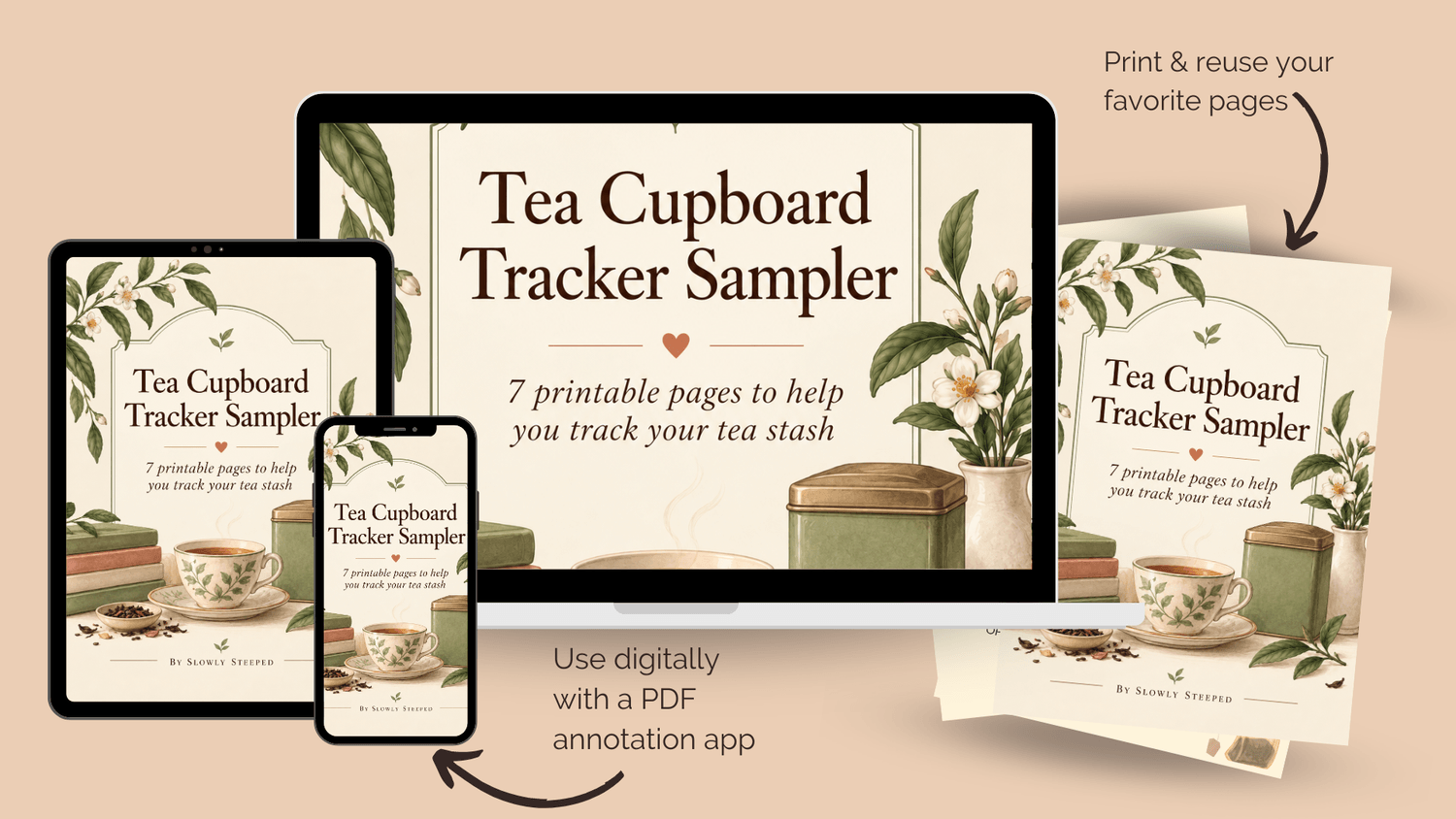
Get Your Tea Cupboard Organized for Free
Download the free 7-page Tea Cupboard Tracker Sampler to take stock of the tea you own, see what’s already open, and decide what you want to finish next.
Tea guides, curious facts, everyday rituals, and thoughtful finds for people who simply enjoy a good cup.


Get Your Tea Cupboard Organized for Free
Download the free 7-page Tea Cupboard Tracker Sampler to take stock of the tea you own, see what’s already open, and decide what you want to finish next.
Created with ©systeme.io