Afternoon Tea: What It Is, What’s Served, and Why It Lasted
Afternoon tea is a familiar tradition, but there’s more to it than tea, sandwiches, and a tiered tray.
The version we know today took shape over time, borrowing from older British tea customs and eventually becoming something people could enjoy at home, in tea rooms, hotels and restaurants.
What Is Afternoon Tea?
Afternoon tea is a light meal served with tea between lunch and dinner.
Today, it often includes small sandwiches, scones with jam and clotted cream, and cakes or pastries.
In the 19th century, dinner in wealthier British households was often served later in the evening, leaving a long gap after lunch.
Afternoon tea helped fill that space with something light to eat and a pot of tea, usually around four or five o’clock.
It wasn’t meant to take the place of dinner. Instead, it was a smaller meal of its own and became an easy way to spend time with family or guests before the evening meal.
The Duchess of Bedford Story
This is where tea history gets a little murky.
Anna Maria Russell, the seventh Duchess of Bedford, is commonly credited with popularizing afternoon tea around the 1840s.
According to the familiar story, she wanted something to eat during the long gap between lunch and dinner, so tea, bread and butter, and cake were brought to her in the afternoon. She eventually began inviting other people to join her.
That doesn’t mean the tradition started with the Duchess of Bedford.
Tea had already been part of British social life for generations.
Afternoon tea grew from tea-drinking customs that were already around, and over time the Duchess of Bedford became closely tied to the story.
Early Afternoon Tea
Afternoon tea can look pretty fancy today, especially at hotels where you’ll see polished teapots, delicate china, and carefully arranged trays.
Earlier versions were often much more straightforward.
The afternoon tea linked to the Duchess of Bedford was closer to tea with bread and butter and a little cake. What ended up on the table could vary quite a bit depending on the household and the occasion.
Some families kept things simple with bread or buttered toast, while wealthier households could serve a much larger selection.
As afternoon tea became more popular, sandwiches, cakes, and other small bites started showing up more often.
According to The British Museum, Victorian afternoon tea could already include finger sandwiches, savory pastries, cakes, and scones, so a lot of what we recognize today has been part of the tradition for a long time.
A tiered stand is a familiar way to serve afternoon tea today, but you can use ordinary plates at home.
Afternoon Tea Today
The version of afternoon tea most people know today isn’t usually an everyday 4 p.m. routine.
Now, it’s more often something people do for a birthday, a hotel outing, a holiday, a get-together with friends, or even a special afternoon at home.
According to The British Museum, modern afternoon tea is much more closely tied to hotels, restaurants, and special occasions than the everyday tea habits people had in Victorian Britain.
The menu can change with the occasion, from a few homemade sandwiches and cakes to a full hotel afternoon tea.
It can happen in a hotel, a garden, a tea room, or right at the kitchen table.
What stays the same is the basic idea: tea, a mix of savory and sweet food, and time set aside to sit, talk, and enjoy the moment.
Sources
1.British Museum — The Tea-rific History of Victorian Afternoon Tea British Museum source
2. English Heritage — How to Take Tea Like a Georgian English Heritage source
3.English Heritage — How to Do Afternoon Tea Like the Victorians English Heritage Victorian tea source
4. National Trust — The History of Tea National Trust source
5.UK Tea & Infusions Association — A Social History UK Tea & Infusions Association source
6. Fortnum & Mason — Short History of Afternoon Tea Fortnum & Mason source
7. The Ritz London — Afternoon Tea The Ritz London source
Read This Next...
Afternoon tea and high tea are often used as if they mean the same thing, but historically they were very different. What Is High Tea? It’s Not Quite What Most People Think breaks down what high tea actually was, what was served, and how the confusion started.
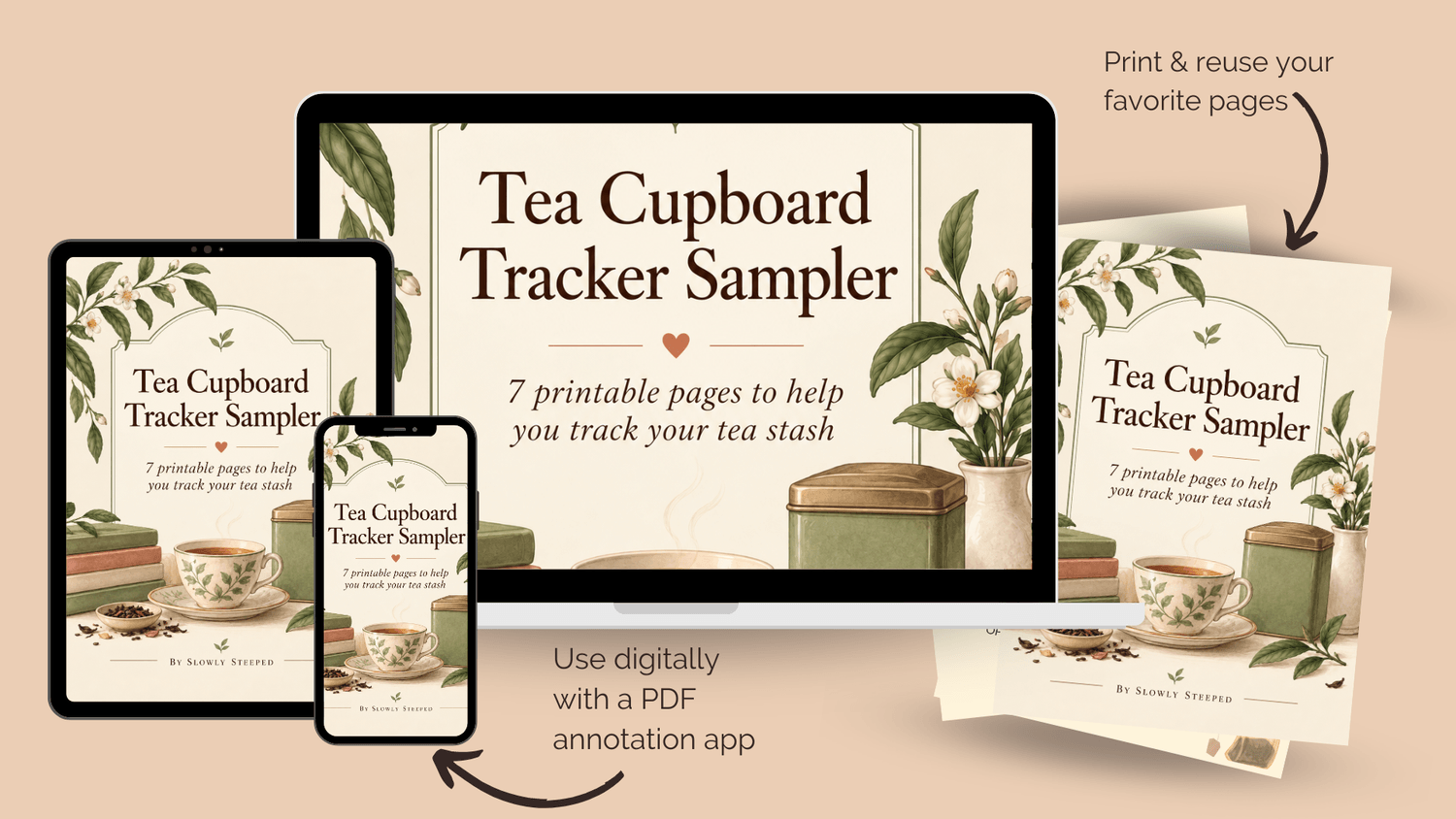
Get Your Tea Cupboard Organized for Free
Download the free 7-page Tea Cupboard Tracker Sampler to take stock of the tea you own, see what’s already open, and decide what you want to finish next.
Tea guides, curious facts, everyday rituals, and thoughtful finds for people who simply enjoy a good cup.


Get Your Tea Cupboard Organized for Free
Download the free 7-page Tea Cupboard Tracker Sampler to take stock of the tea you own, see what’s already open, and decide what you want to finish next.
Created with ©systeme.io