What Is Butterfly Pea Tea? Taste, Color & Brewing
Butterfly pea tea is pretty hard to ignore.
It starts out a gorgeous deep blue, and then someone adds a squeeze of lemon and suddenly the whole drink turns purple.
Naturally, that raises a few questions.
What exactly is butterfly pea tea? Does it taste as dramatic as it looks? And why does it change color in the first place?
Here’s the short version: butterfly pea tea is an herbal infusion made from dried butterfly pea flowers. It has a mild flavor, it can be served hot or iced, and yes, the color-changing trick is completely real.
What Is Butterfly Pea Tea?
Butterfly pea tea is made from the flowers of a plant called Clitoria ternatea.
The flowers are usually dried and then steeped in hot water.
But technically, butterfly pea tea isn’t a true tea.
Black tea, green tea, white tea, and oolong all come from the Camellia sinensis plant. Butterfly pea doesn’t. Since it comes from flowers, it falls into the herbal tea category.
What Does It Taste Like?
This is where butterfly pea tea can be surprising.
You’d think something that bright blue would have an equally bold flavor.
It really doesn’t.
Plain butterfly pea tea is usually pretty mild. Depending on the flowers and how strongly you brew them, you may notice a slightly earthy, vegetal, woody, or lightly floral taste.
If you’re expecting something tart like hibiscus or strongly floral like jasmine, butterfly pea is probably going to seem much more subtle.
That mild flavor can actually work in its favor, though.
Because butterfly pea doesn’t overpower everything else in the cup, it can pair easily with ingredients like lemon, lime, mint, honey, sparkling water, or other herbs.
So the tea gives you the color, while whatever you add can bring more of the flavor.
Why It Changes Color
This is the part everyone wants to try at least once.
Brew butterfly pea flowers in water and you’ll usually get a deep blue tea.
Now add lemon juice.
The blue starts shifting toward purple, violet, or sometimes even pink.
No food coloring required.
Butterfly pea flowers contain natural pigments called anthocyanins.
These pigments react to changes in pH, which basically means they respond when the acidity of the drink changes.
Adding lemon or lime juice lowers the tea’s pH, changing the structure of its pigments and the color you see.
The amount of citrus you add matters, too. A small squeeze may give you a bluish-purple shade, while more acid can push the drink further toward pink.
Honestly, half the fun of making butterfly pea tea is seeing what color you end up with.
How to Brew It
You don’t need any special equipment to make it.
A mug, hot water, dried butterfly pea flowers, and something to strain them with will do the job.
A simple starting point is:
1 to 2 teaspoons dried butterfly pea flowers
About 8 ounces of hot water
Steep for around 5 minutes
Strain and taste
That’s it.
If your butterfly pea tea came with brewing directions, follow those first since flower size and processing can vary from one product to another.
If your first cup seems a little too light, use more flowers next time. If the flavor gets stronger than you like, use fewer.
Butterfly pea tea is pretty forgiving.
Taste It Plain First
It’s tempting to add citrus immediately.
After all, you probably bought the blue tea because you wanted to watch it change color.
But try taking a sip first.
Plain butterfly pea tea has such a mild flavor that it’s helpful to taste it before adding anything else. Otherwise, you may never really know what the flower itself tastes like.
Then add a squeeze of lemon or lime.
Now you’ll notice two changes at once: the color shifts and the flavor becomes brighter and more citrusy.
If you want it sweeter, you can add honey or another sweetener after that.
There’s no complicated formula here.
Start plain, change one thing at a time, and figure out which version you actually enjoy.
Making It Iced
Butterfly pea tea doesn’t have to be a hot drink.
It works really well iced, especially if the dramatic color is part of the appeal.
Brew the flowers as usual and strain them out. If you’re adding honey, stir it in while the tea is still warm so it dissolves more easily. Let the tea cool, then pour it over ice.
From there, you can keep it simple or play around with it.
Try adding:
Lemon or lime
Fresh mint
Sparkling water
Honey
Another herbal tea
Fruit
If you’re making a bigger pitcher, it can be fun to brew the blue tea first and add the citrus later.
And if you’re serving it to someone who’s never had butterfly pea tea before, the color-changing part makes the drink a little more memorable without requiring a complicated recipe.
Flowers, Powder, or Blends?
Butterfly pea comes in a few different forms, so it helps to know what you’re looking at before buying it.
Whole dried flowers
These are probably the easiest option if your main goal is making tea.
You steep the flowers, strain them out, and you’re done.
Butterfly pea powder
Powder can be useful for smoothies, lemonades, lattes, baked goods, and other recipes where you want the butterfly pea mixed directly into the food or drink.
For a basic cup of tea, though, whole flowers keep things simple.
Butterfly pea tea blends
This is where the flavor can change quite a bit.
Butterfly pea is often blended with other herbs, fruit, spices, or even true tea leaves.
So if you buy a butterfly pea blend and it tastes strongly of citrus, berries, mint, or something else, that flavor may be coming mostly from the other ingredients.
Check the ingredient list if you want to know what you’re actually drinking.
A pure butterfly pea infusion and a flavored butterfly pea blend can be two very different cups.
Is It Caffeine-Free?
Plain butterfly pea tea is naturally caffeine-free.
That makes it one option for people who enjoy herbal teas or simply want something different from black or green tea.
There is one thing to watch for, though.
If you buy a blend, check the ingredients.
A butterfly pea blend that also contains black tea, green tea, or another caffeinated tea will no longer be caffeine-free.
Before You Buy
Choose butterfly pea flowers sold for brewing or culinary use.
Start with the ingredient label.
If you want to taste butterfly pea by itself, look for a package that contains just dried butterfly pea flowers.
If you’d rather have more flavor built in, a blend may be a better fit.
And if that bright blue color is what caught your attention in the first place, clear glassware is worth considering.
Sources
Royal Botanic Gardens, Kew
Plant information for Clitoria ternatea, the species used to make butterfly pea tea. Read the plant profile
Frontiers in Plant Science
A review of butterfly pea flower pigments and their use in foods and drinks. Read the review
Molecules
Research on how pH affects the color and stability of butterfly pea flower pigments. Read the study
University of Florida IFAS
A butterfly pea lemonade recipe with guidance on the amount of dried flowers to use and how long to steep them.
Read the brewing guidance and recipe

Read This Next...
Want to explore more caffeine-free teas? Read Types of Herbal Tea: A Beginner-Friendly Guide next. It covers different herbal teas, what they’re made from, and how their flavors can vary.
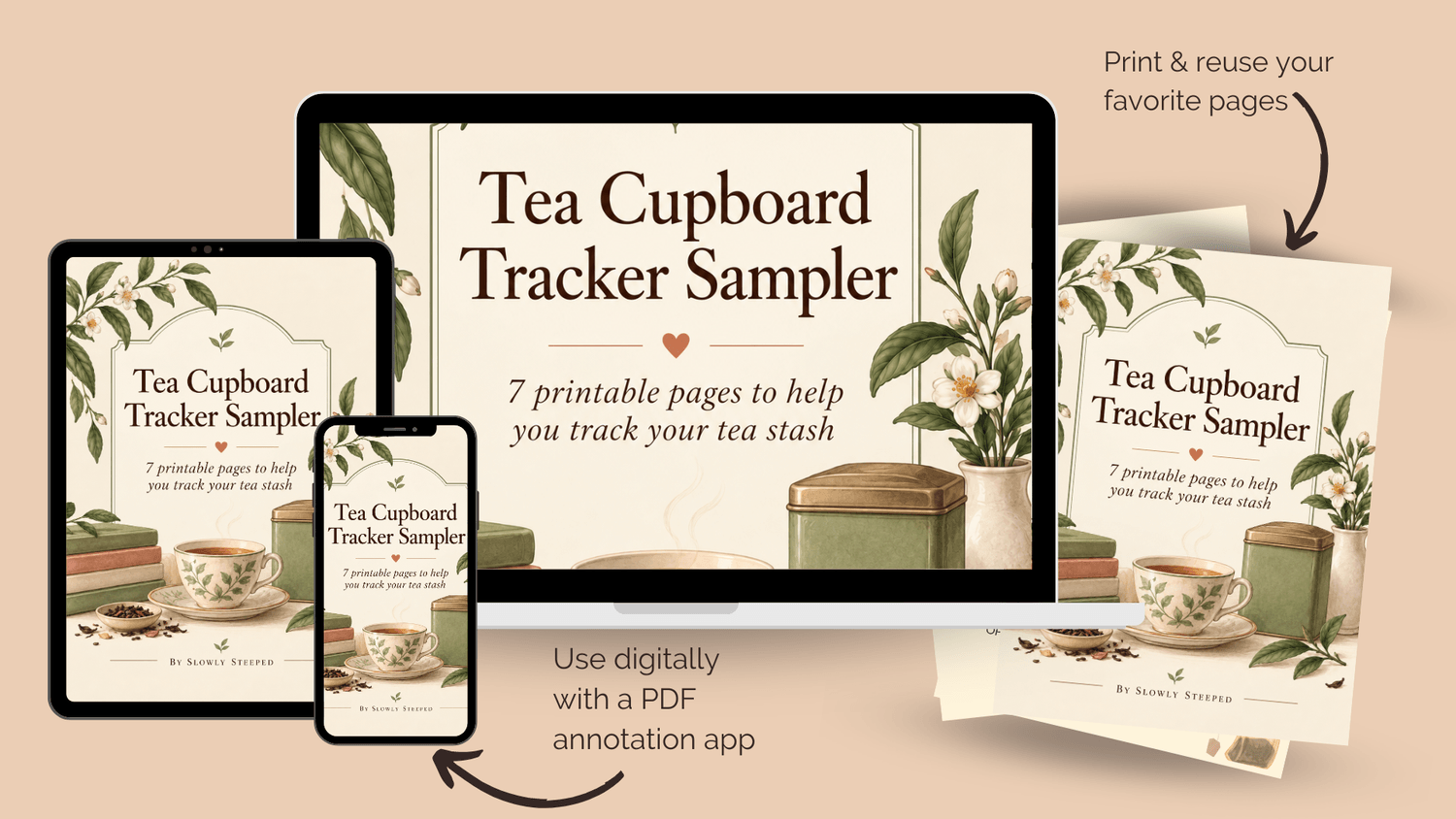
Get Your Tea Cupboard Organized for Free
Download the free 7-page Tea Cupboard Tracker Sampler to take stock of the tea you own, see what’s already open, and decide what you want to finish next.
Tea guides, curious facts, everyday rituals, and thoughtful finds for people who simply enjoy a good cup.


Get Your Tea Cupboard Organized for Free
Download the free 7-page Tea Cupboard Tracker Sampler to take stock of the tea you own, see what’s already open, and decide what you want to finish next.
Created with ©systeme.io