Herbal Tea Guide: Chamomile, Rooibos, Hibiscus & More
Herbal tea is one of those categories that sounds simple until you start looking at what’s actually in the boxes.
Chamomile is made from flowers. Peppermint comes from leaves.
Ginger uses a rhizome. Hibiscus produces a bright red cup that tastes nothing like rooibos.
And somehow, they all end up under the same herbal tea label.
That’s because herbal teas are made from different plants than traditional teas.
Green, black, white, and oolong teas all come from Camellia sinensis.
Herbal and fruit infusions can be made from all kinds of plant material, including leaves, roots, bark, seeds, flowers, and fruits.
Technically, they’re infusions or tisanes rather than true tea, although “herbal tea” is the name you’ll see most often at the store.
So instead of sorting the types of herbal tea by processing method, it’s much more useful to look at them by ingredient and flavor.
Here are seven common styles worth recognizing.
1. Chamomile Tea
Loose chamomile tea is easy to recognize by its small, dried flower heads.
German chamomile is commonly used for herbal infusions, although Roman chamomile can also be brewed.
The flavor is generally delicate, floral, and gently sweet rather than bold.
Try chamomile if: you like softer flavors and want something that doesn’t have the sharpness of mint, citrus, or spice.
Chamomile also shows up frequently in herbal blends, so you may see it paired with ingredients such as lavender, lemon balm, or mint.
2. Peppermint Tea
Peppermint is much less subtle.
It’s made from the leaves of Mentha × piperita, a natural hybrid of watermint and spearmint. Menthol is one of the compounds responsible for peppermint’s recognizable cooling flavor.
If you open a peppermint tea bag and immediately smell mint, that’s pretty much what you can expect in the cup too.
Try peppermint if: you enjoy a strong mint flavor and a cooling finish.
If peppermint feels too strong, spearmint is another option. It tends to have a somewhat milder, slightly sweeter mint character.
3. Hibiscus Tea
Hibiscus is the herbal tea to know if you like some tartness.
The infusion is made from the deep red calyces of Hibiscus sabdariffa. It produces a striking ruby-red drink with a tart, lemony flavor that’s sometimes compared with cranberry. It can also be served hot or chilled.
That tart character is why hibiscus turns up so often in berry and fruit-flavored herbal blends.
Try hibiscus if: you gravitate toward bright, tangy flavors rather than mild floral teas.
It’s also one of the easiest herbal teas to recognize by color alone.
4. Rooibos Tea
Rooibos comes from a completely different plant: Aspalathus linearis, a shrub native to South Africa.
Traditional rooibos is processed so the leaves develop their familiar reddish-brown color and a naturally sweet flavor. Green rooibos is also available and is processed differently so it doesn’t develop the same red color.
Compared with peppermint or hibiscus, rooibos tends to be much rounder and less sharp.
Try rooibos if: you want something fuller and mellower than a delicate floral infusion.
Rooibos itself is naturally caffeine-free, which is another reason it often appears in caffeine-free blends.
5. Ginger Tea
Ginger tea is made from the plant’s rhizome, an underground stem commonly called ginger root.
Its flavor is exactly what you’d expect if you’ve cooked with fresh ginger: aromatic, spicy, and noticeably warming on the palate.
The strength can vary quite a bit depending on whether ginger is the main ingredient or just one part of a blend.
Try ginger if: mild herbal teas leave you wanting more flavor.
It also pairs naturally with citrus ingredients, so ginger-lemon and ginger-orange blends are common combinations to look for.
6. Lemongrass Tea
Despite the name, lemongrass isn’t related to lemons.
It’s an aromatic grass called Cymbopogon citratus. Its stems and leaves have a distinctly citrus character, and the plant is widely used both in cooking and in teas and other beverages.
The result is a light, fresh herbal tea without the tart punch you get from hibiscus.
Try lemongrass if: you like a lemony flavor without much tartness.
You’ll also see lemongrass blended with ginger, mint, or other herbs when a tea maker wants to add a fresh citrus note.
7. Rosehip & Fruit Blends
Rosehips are the fruits that develop on rose plants after flowering, and they’re another ingredient frequently used in herbal tea.
Unlike rose-petal teas, which lean floral, rosehip blends tend to move toward the fruity side of the spectrum.
You’ll often see rosehip combined with hibiscus, berries, apple pieces, citrus peel, or other fruit ingredients.
This is also where the herbal tea aisle can get a little confusing. A box labeled something like “Wild Berry,” “Summer Peach,” or “Cranberry Citrus” may not represent one particular plant at all. It may be a blend of several fruits, flowers, and herbs.
Try rosehip or fruit-based herbal tea if: you like bright, fruity flavors and want something that feels closer to a fruit infusion than a floral or minty herbal tea.
Which Herbal Tea Should You Try?
Choosing from all the types of herbal tea gets much easier when you start with flavor instead of trying to memorize plant names.
If you want:
Soft and floral: start with chamomile.
Cool and minty: try peppermint.
Tart and fruity: look for hibiscus.
Mellow and slightly sweet: explore rooibos.
Spicy: try ginger.
Fresh and citrusy: look for lemongrass.
Fruit-forward: explore rosehip or fruit-and-herb blends.
Is Herbal Tea Caffeine-Free?
Plain chamomile, peppermint, rooibos, and hibiscus infusions are naturally caffeine-free.
But the word herbal on the front of a package doesn’t tell you everything.
Some commercial blends combine herbs or fruit with actual Camellia sinensis tea, and ingredients such as yerba mate naturally contain caffeine.
So if caffeine matters to you, check the ingredient list rather than relying on the flavor name.
Sources
1. UK Tea & Infusions Association — About Herbal Infusions
Resource: About Herbal Infusions
Organization: UK Tea & Infusions Association
Read the source → UK Tea & Infusions Association — About Herbal Infusions
2. UK Tea & Infusions Association — FAQs About Infusions
Resource: FAQ's About Infusions
Organization: UK Tea & Infusions Association
Read the source → UK Tea & Infusions Association — FAQs About Infusions
3. South African National Biodiversity Institute — Rooibos
Resource: Aspalathus linearis
Organization: South African National Biodiversity Institute (SANBI), PlantZAfrica
Read the source → SANBI — Aspalathus linearis
4. Royal Botanic Gardens, Kew — Lemongrass
Resource: Cymbopogon citratus (DC.) Stapf
Organization: Royal Botanic Gardens, Kew — Plants of the World Online
Read the source → Kew Science — Cymbopogon citratus

Read This Next...
If you want to see how herbal tea fits into the bigger tea picture, read Tea 101: A Beginner’s Guide to the Main Tea Families next. It breaks down green, black, white, oolong, and dark tea, and explains why herbal infusions are a little different from the teas made from the Camellia sinensis plant.
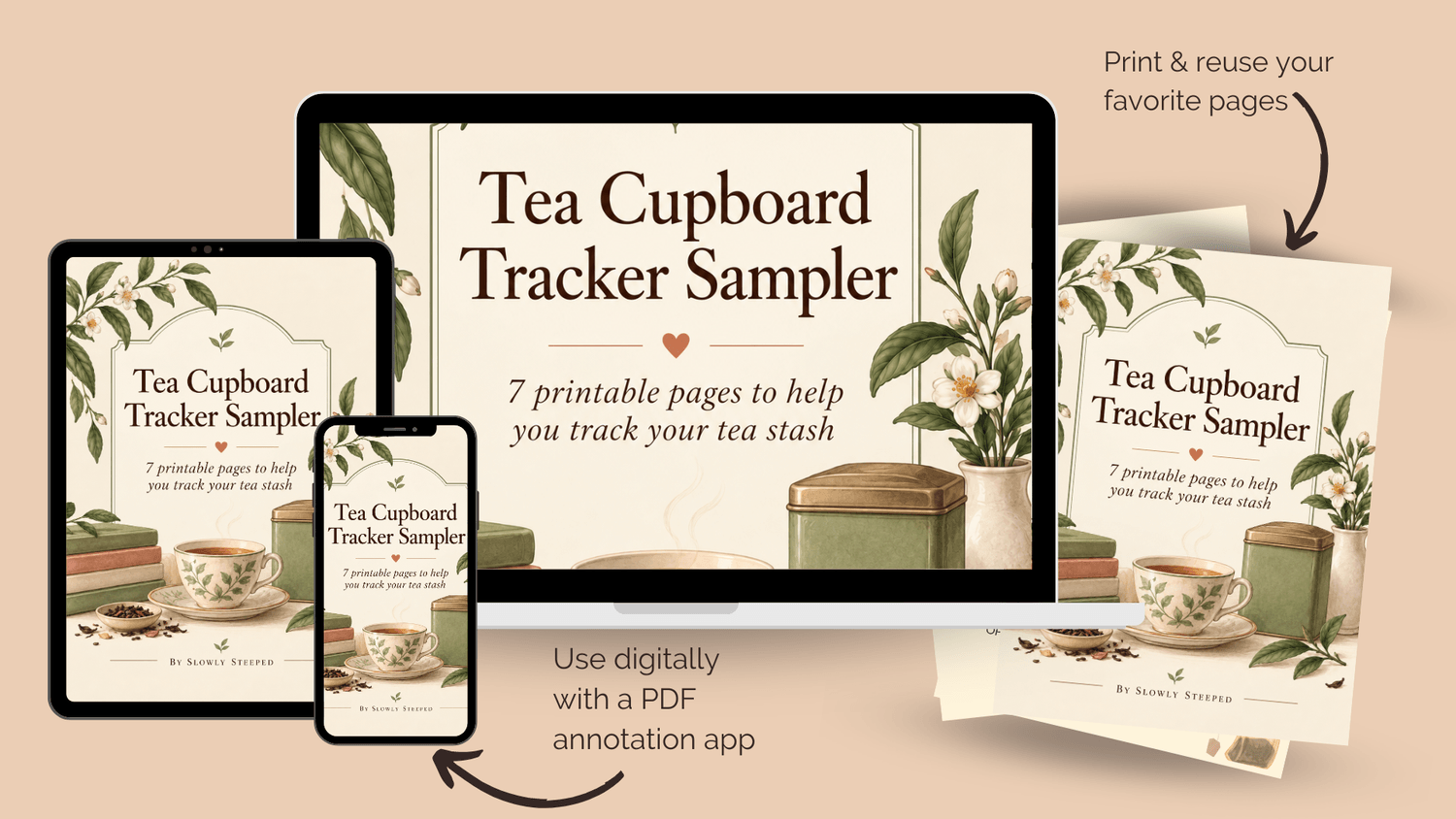
Get Your Tea Cupboard Organized for Free
Download the free 7-page Tea Cupboard Tracker Sampler to take stock of the tea you own, see what’s already open, and decide what you want to finish next.
Tea guides, curious facts, everyday rituals, and thoughtful finds for people who simply enjoy a good cup.


Get Your Tea Cupboard Organized for Free
Download the free 7-page Tea Cupboard Tracker Sampler to take stock of the tea you own, see what’s already open, and decide what you want to finish next.
Created with ©systeme.io